Genuine question, is the article posted painting the wrong picture as well? Its conclusions for example:
It’s unlikely to fully deliver on its universal promise by 2028 unless funding, staffing, and state-level coordination improve sharply. But even so, the most likely outcome is meaningful improvement in access and coordination, especially in emergencies and underserved areas. It likely won’t be a seamless or fully equal national health service in the near term, but if things go according to plan, there will be improvement.
Still, without sustained increases in public health spending, universal access could become a bottleneck rather than a breakthrough. Mexico also has to improve its labor retention, and lastly, ensure digital execution.
If it works though, it could be a remarkable achievement. It’s a pivot away from the US-style employment-tethered chaos and toward a unified, digital-first “National Health Service” like in Canada, the UK, or Europe (but with more biometric tech).
To me it seems like it raises concerns similar to the ones I’ve seen here, but still has a kind-of-hopeful outlook. Am I missing something?


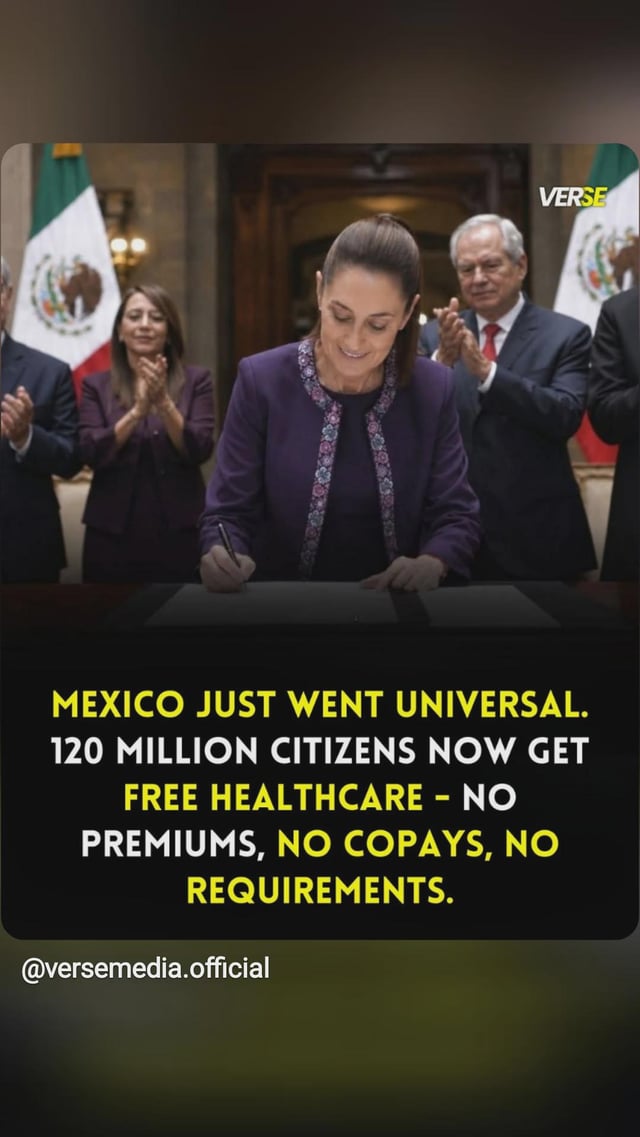
Genuine question, is the article posted painting the wrong picture as well? Its conclusions for example:
To me it seems like it raises concerns similar to the ones I’ve seen here, but still has a kind-of-hopeful outlook. Am I missing something?