

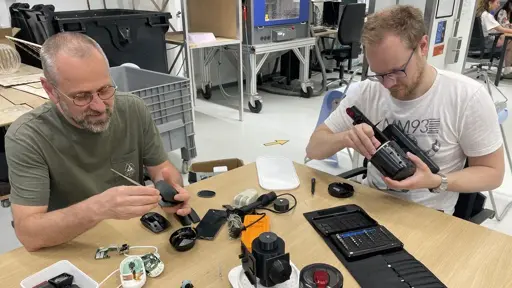
The products covered by the obligation to repair currently include:
- washing machines and washer-dryers
- dishwashers
- refrigerators
- electronic displays
- welding equipment
- servers and data storage products
- mobile phones, cordless phones and tablets
- tumble dryers
- e-bikes and e-scooters batteries (from 18 February 2027)
- local space heaters
Do you seriously think they computerized cars to make them less repairable? That’s some tin foil hat stuff there.
They started computerizing cars to make them more efficient, reliable (ironically), safer, etc. The problem is that beyond OBDII there is no standard for diagnostics, and makers keep these proprietary.
They didn’t have to keep it proprietary, and I think in many “computer problems” the certified dealers will just replace 1 circuitboard by a new one, but it’s a part which private customers are not able to order and replace themselves
They didn’t do it for that purpose, I am saying they used the opportunity of cars becoming more digital to make them less repairable outside of “certified dealers”
I think they are making their vehicles much more computerized and much more software-driven, and at the same time supplying their technicians with tools to deal with that, but not customers. And they are constantly flirting with ideas for subscriptions and advertising and tracking. So maybe not all that to purposely make them less repairable, but it’s more of an ecosystem that they control and the end user doesn’t.