🍹Early to RISA 🧉@sh.itjust.worksM to Greentext@sh.itjust.works · 5 months agoAnon finds a glitchsh.itjust.worksimagemessage-square74linkfedilinkarrow-up1420arrow-down113
arrow-up1407arrow-down1imageAnon finds a glitchsh.itjust.works🍹Early to RISA 🧉@sh.itjust.worksM to Greentext@sh.itjust.works · 5 months agomessage-square74linkfedilink
minus-squarewolfpack86@lemmy.worldlinkfedilinkEnglisharrow-up27·5 months agoWater doesn’t sublimate. Sublimation is solid to gaseous phase change.
minus-squareAnother Catgirl@lemmy.blahaj.zonelinkfedilinkEnglisharrow-up3·5 months agosublimation is poorly defined in our context.
minus-squareulterno@programming.devlinkfedilinkEnglisharrow-up2·5 months agoYeah, evaporate would be the appropriate word here, while sublimate would be for room temperature ice, which I don’t know if it is ice that does it or if there is a microscopic film of water that then evaporates.
minus-squareTinidril@midwest.sociallinkfedilinkEnglisharrow-up3arrow-down1·5 months agoTechnically, water does sublimate, just not at normal earth pressures. Below 0.6 kPa it transitions straight from solid to gas.
minus-squarewolfpack86@lemmy.worldlinkfedilinkEnglisharrow-up1·4 months agoTheres a word for solid forms of water… It’s called ice.
minus-squareTinidril@midwest.sociallinkfedilinkEnglisharrow-up1·4 months agoYou referred to it as “solid” first, so I have no idea where you think I was confused on this point.
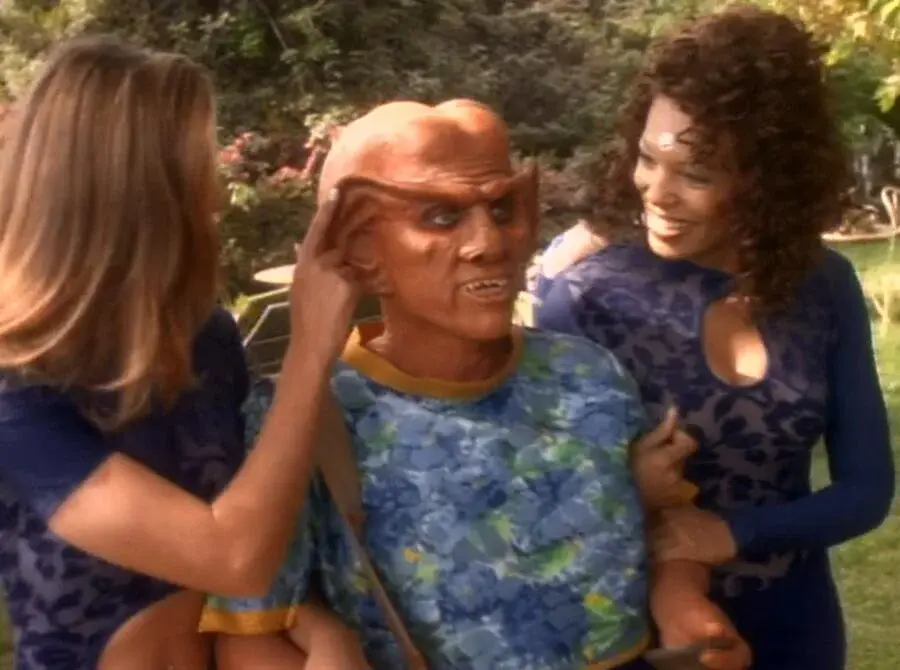


Water doesn’t sublimate. Sublimation is solid to gaseous phase change.
Fixed
sublimation is poorly defined in our context.
Yeah, evaporate would be the appropriate word here, while sublimate would be for room temperature ice, which I don’t know if it is ice that does it or if there is a microscopic film of water that then evaporates.
Technically, water does sublimate, just not at normal earth pressures. Below 0.6 kPa it transitions straight from solid to gas.
Theres a word for solid forms of water… It’s called ice.
You referred to it as “solid” first, so I have no idea where you think I was confused on this point.