The Convention for the Protection of Submarine Telegraph Cables is a multilateral treaty that was signed in 1884 in order to protect submarine communications cables that had begun to be laid in the 19th century.
Parties: 36 (as of 2013)
Pipelines in international waters don’t even have that.
Countries kind of started building out submarine infrastructure without a legal basis for protecting it.
Now, in practice, if someone decides to openly sail a ship through the Baltic Sea, North Sea, English Channel, and Mediterranean Sea while dragging a cable cutter, I’d say that it’s pretty good odds that it’s gonna be stopped on some pretext and that various countries involved are going to have ways of making their displeasure known. But from a legal standpoint, not a lot of levers.


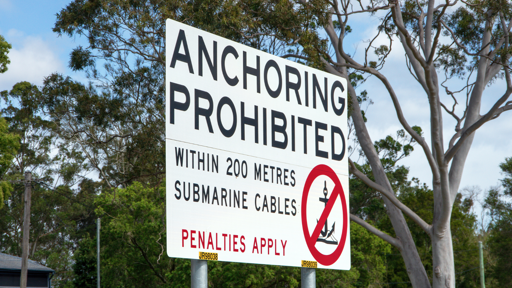
So if we sink one of those panama flag flying ships, it’s ok if it’s in international waters…
No, as there’s customary international law protecting vessels in international waters.
Cables in international waters have only weak legal protection from an elderly treaty (and most countries are not party to that treaty).
https://en.wikipedia.org/wiki/Convention_for_the_Protection_of_Submarine_Telegraph_Cables
Pipelines in international waters don’t even have that.
Countries kind of started building out submarine infrastructure without a legal basis for protecting it.
Now, in practice, if someone decides to openly sail a ship through the Baltic Sea, North Sea, English Channel, and Mediterranean Sea while dragging a cable cutter, I’d say that it’s pretty good odds that it’s gonna be stopped on some pretext and that various countries involved are going to have ways of making their displeasure known. But from a legal standpoint, not a lot of levers.
Pro level post.
Thank you, very insightful!
My thought exacty.