European tech firms will ship the first stable release of Euro-Office next month, giving governments and businesses worldwide a ready-to-run, sovereign alternative to Microsoft Office and Google Docs.
While they claim to be open source, OnlyOffice uses their trademark to block forks and derivative work. Which is why this Euro Office was created, along with more control over mobile apps, since that part has issues as well.
Because before cloud vendor subscription lock-in was considered socially acceptable, there were a lot of big tech companies that wanted to be seen being “open source” in name to court customers while locking you in by other means. “Open”Office is the quintessential example, but it is by no means a unique situation in the “Open” source world.
It happens often enough that there are some people who get very upset with you for not knowing the difference between “Open Source”, “open source”, and “source available”.


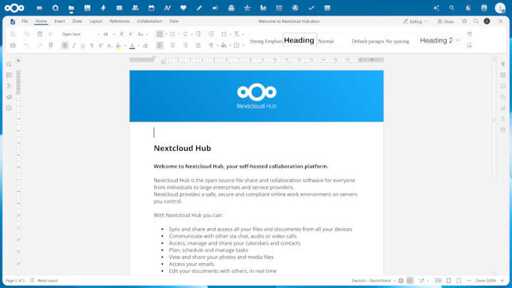
Uhh, you realize it’s just OnlyOffice, right? Another actively developed, free and open source (but web-first, vs desktop first) software?
While they claim to be open source, OnlyOffice uses their trademark to block forks and derivative work. Which is why this Euro Office was created, along with more control over mobile apps, since that part has issues as well.
Yes, which makes this choice even better since these will be open maintainers under a new name. Looking forward to it.
Why are there so many different open source office suites? Wouldn’t it be more effective if they joined forces? Or do they have incompatible visions?
Because before cloud vendor subscription lock-in was considered socially acceptable, there were a lot of big tech companies that wanted to be seen being “open source” in name to court customers while locking you in by other means. “Open”Office is the quintessential example, but it is by no means a unique situation in the “Open” source world.
It happens often enough that there are some people who get very upset with you for not knowing the difference between “Open Source”, “open source”, and “source available”.
The later, most likely. LibreOffice is a desktop native app, while OnlyOffice is a web-first app.