

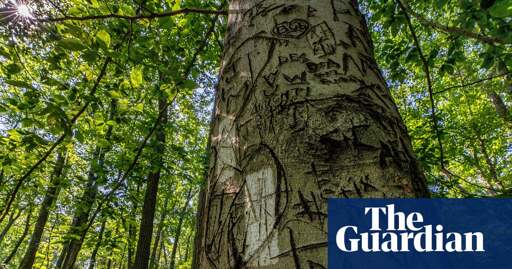
Outdoor recreation often slips into what I call an achievement-based relationship with nature. I’ve been guilty of it myself. Whether it’s “bagging peaks”, racing to finish the AT, or stamping the land with machines and monuments, the focus shifts from ecology to ego.
Being obsessed with Peak Bagging is not Solarpunk.
Nature is not your personal obstacle to challenge yourself against, it is a shared place of discovery you trample when you only see it as a place to endlessly, exhaustingly conquer.
Is this really an issue though? Whatever gets people a bit closer to nature seems good to me
Yes, yes it is. Just look at how the top of Everest is trashed by climbers insisting on conquering it and it is a perfect symbol of the broader outdoor movement in many ways.
When people relate to nature as something to be tested against and conquered/overcome they begin to lose the capacity to understand how they can have a meaningfully negative impact on nature from their actions because this entire perspective frames nature as an obstacle far bigger than us, hopelessly more powerful than us and so encompassing we are tiny in comparison. There is a rotting false, dangerous comfort and naivety embedded in the core of that belief. It reminds me of this catastrophically off base speculation in Moby Dick about how since Whales are so much more powerful than humans and the ocean is so big that we could never diminish their numbers in hunting.
…
How awfully wrong that quote was about the future of whales…
In my experience, the more goal/achievement oriented a person is in their relationship to nature, the more likely they are to care for it.
Appalachian trail thru hikers, for example, are far more likely to know and follow leave no trace principles, and will enforce these principles on each other via informal social tactics. Hikers who cut the handles off their toothbrushes to save a few grams of weight would be appalled at the prospect of leaving their garbage behind at a campsite or on the side of the trail. The people who dump their garbage everywhere tend to be people who come to the forest for a party, or to have a picnic.
Similarly, the Everest climbers leaving all the trash are chasing the vague goal of “get to the top”. But high end alpinists leave no trash behind. They leave no fixed lines, and do not carry bottled oxygen, and so cannot leave the bottles. Whatever the underlying motivations, they want to achieve a significant feat, and they want to do it “in good style” - in a way that meets their community’s approval. And the community is quite clear that good style requires leaving no (or very little) trace. Climbing Everest with fixed lines and sherpa and oxygen would be embarassing for any serious alpinist.